
Inventory discrepancies represent a critical variable in store management, with direct impacts on margins, operational processes, and overall performance. Recent analyses confirm that the combined cost of losses and prevention measures continues to significantly affect turnover in the retail and large-scale distribution sector.
Within this context, the most effective strategies go beyond the implementation of control technologies and include targeted actions in the design of the customer journey and the tools made available to shoppers.
Operational dynamics and critical points along the customer journey
The main loss-related phenomena, from the tampering of anti-theft devices to rapid theft incidents, highlight the need to act upstream, at the early stages of the in-store experience.
Unstructured product handling during shopping can generate inefficiencies: items carried without adequate support are more exposed to damage, misplacement, and reduced visual traceability throughout the store.
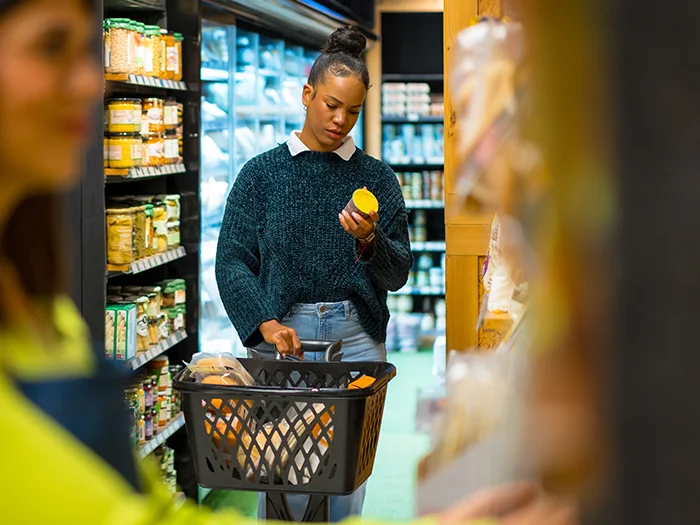
In this context, Plastimark shopping baskets play a key role. They are designed to deliver high standards in ergonomics, durability, and operational functionality, with a range of capacities to suit different shopping needs.
Shopping tools as a lever for control and organization
The adoption of dedicated solutions for carrying goods enables more standardized customer behavior and improves overall in-store flow management. The use of baskets for supermarkets and retail stores reduces reliance on improper supports such as personal bags, enhancing product visibility and ensuring a more organized shopping process.
From an operational perspective, this translates into fewer anomalies along the purchasing path and greater consistency in observable in-store behaviors.
Integrated systems for efficiency and prevention
The evolution of retail formats requires flexible and scalable solutions. Stackable and wheeled basket systems address these needs through modular configurations that optimize both user experience and space management.
The integration of modular shopping transport solutions allows retailers to adapt to different shopping missions, improving load capacity and customer flow. At the same time, the open and organized structure of these systems facilitates visual control, helping reduce issues related to product concealment or loss.
Measurable impact on store performance
The introduction of tools designed in line with retail operational needs delivers tangible and measurable benefits. These include reduced shrinkage and associated costs, improved store efficiency, and increased customer purchasing capacity.
Solutions such as ergonomic baskets and shopping systems also contribute to a smoother and more functional experience, positively impacting the average transaction value.
A design-driven approach to in-store security
Optimizing inventory discrepancies requires an integrated approach, where tools, layout, and customer behavior are considered as interconnected elements.
Plastimark retail solutions fit within this framework, offering systems designed to support store organization, enhance operational management, and contribute to loss prevention without adding complexity.
In an increasingly efficiency-driven environment, improving the fundamental tools of the customer journey represents a concrete lever to enhance performance and strengthen control over in-store processes.